The Person Before the Swimmer
Are we teaching the person in front of us, or the swimmer we expect to see? This post explores what learners bring to the pool — and what teachers bring too.

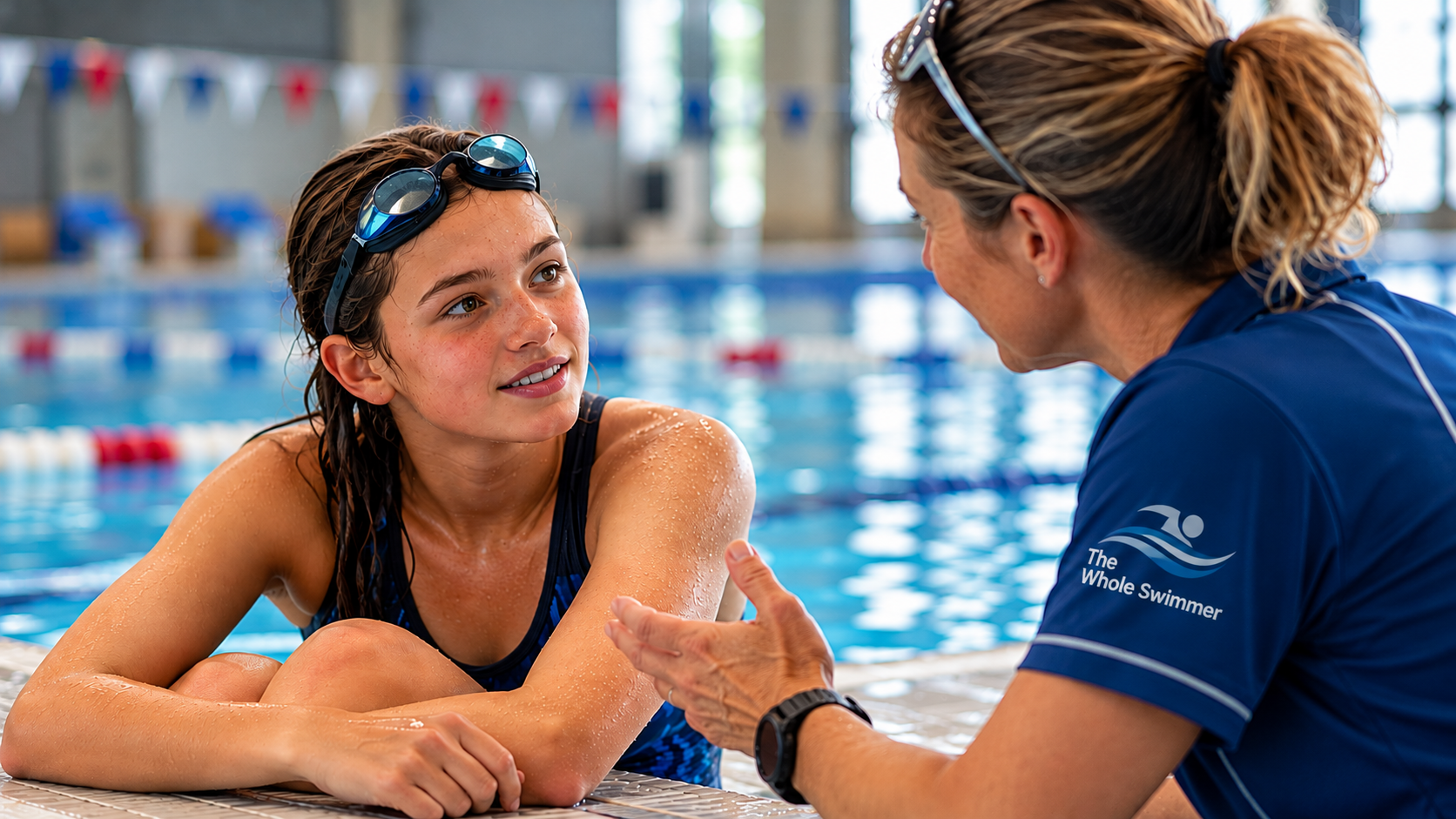
Are we teaching the person in front of us, or the swimmer we expect to see?
When a new swimmer arrives for their first lesson, what do we look for?
Can they float? Can they put their face in the water? How far can they swim? Do they have any previous experience?
These are all reasonable questions. After all, we need to establish a starting point and understand the swimmer's current ability.
But perhaps there's another question we don't ask often enough.
What does this person already bring to the lesson?
Not just their swimming experience, but their knowledge, interests, confidence, expectations and previous experiences of learning.
Because before someone becomes our swimmer, they are already a person with a history.
Are We Assessing the Whole Learner?
Recently, I've been involved in developing a swimming programme specifically for teenagers.
One of the initial challenges was that teenagers with limited swimming experience were following a structure designed primarily for younger children. The skills themselves were relevant, but the presentation, certificates and progression experience didn't always feel appropriate for their age.
That prompted me to explore a more age-appropriate approach.
But reflecting on that work has raised another question for me.
Was I concentrating on what these teenagers could do in the water without giving enough consideration to what they already knew outside it?
It's an interesting question, particularly when you consider the different interests and experiences teenagers may bring with them.
Someone who enjoys music may already understand rhythm, timing and sequencing. Someone interested in gaming may be familiar with responding to feedback, recognising patterns and practising complex tasks in stages.
Neither interest automatically translates into swimming ability. But both might offer a familiar way to explain an unfamiliar skill.
Perhaps we sometimes overlook useful connections simply because they don't immediately appear to be related to swimming.
Age doesn't necessarily tell us what someone understands, just as swimming ability doesn't tell us what they know. A teenager who cannot swim may have a sophisticated understanding of movement, while an adult with years of swimming experience may never have considered how their body moves through the water.
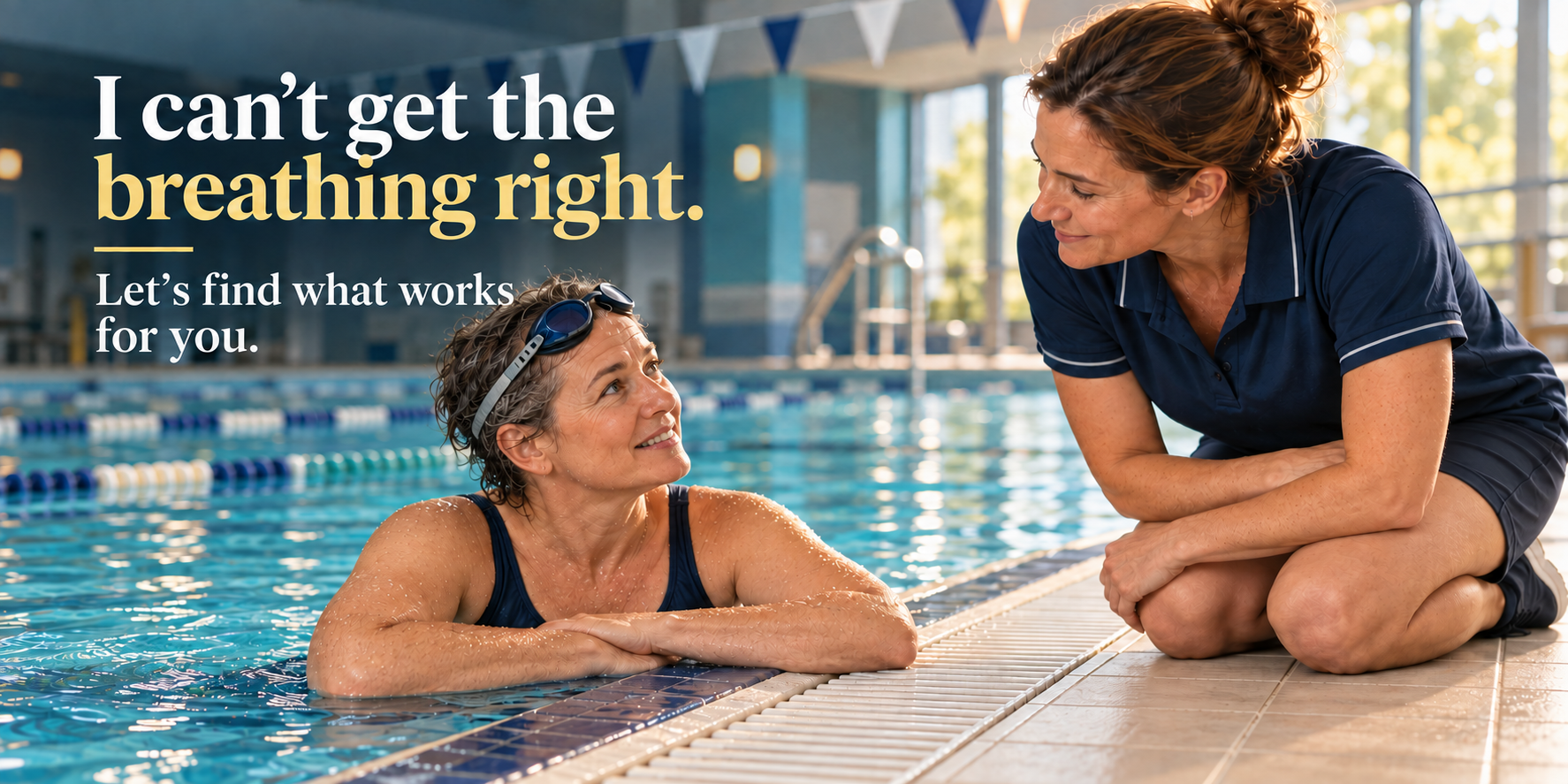
Discovering these connections doesn't necessarily require a formal assessment or a lengthy conversation. Sometimes a simple question about a learner's interests, what they enjoy doing or how they prefer to learn can provide a useful starting point.
We may discover something that changes how we explain a skill, demonstrate a movement or structure an activity.
What the Teacher Brings to the Pool
Of course, the learner isn't the only person arriving with previous experiences.
The teacher brings their own history, qualifications, knowledge and assumptions.
I've seen experienced swimming teachers and coaches struggle to explain some of the most basic skills to beginners. Not because they lack knowledge, but because they are accustomed to working at a much higher level.
Something that seems obvious to an experienced swimmer may be completely unfamiliar to someone learning for the first time.
I've also caught myself doing this.
There have been occasions when I've started with an explanation or activity that was too advanced, only to realise that I needed to change my language, simplify the task or find another way of demonstrating it.
The important part isn't pretending we always get it right.
It's recognising when we haven't.
My previous career in healthcare and clinical education has also influenced how I explain certain skills. I might approach a discussion about breathing or muscle movement differently depending on the learner's own knowledge and experience.
But having additional knowledge doesn't automatically make an explanation better.
Sometimes a simple demonstration or a few carefully chosen words are far more effective than a detailed technical explanation.
The best explanation isn't necessarily the most knowledgeable one. It's the one that helps this learner understand.
How Much Do We Really Need to Know?
There is another side to understanding the person before the swimmer.
Not everyone arrives at a swimming lesson with positive experiences of water, learning or being taught.
Some learners may have experienced frightening incidents. Others may have anxieties, cultural considerations or personal circumstances that influence how comfortable they feel.
And sometimes, when we ask questions, we may hear something unexpected or distressing.
This raises an important professional boundary.
Swimming teachers need to be approachable, supportive and willing to listen. But we aren't automatically qualified to explore or manage someone's personal difficulties.
We don't need to know every detail of a learner's history to make a lesson more comfortable or accessible.
Sometimes knowing that a particular activity causes distress is enough to change how we approach it.
Where a disclosure raises a safeguarding concern, we must follow the appropriate procedures rather than attempt to investigate it ourselves.
Understanding the person doesn't mean knowing everything about them. It means recognising that there may be more to their experience than we can see.
The Missing Part: Reflection
All of this brings me to something I believe is underused in swimming teaching: reflection.
We plan lessons, deliver activities, assess progress and record achievements.
But how often do we genuinely stop to consider our own teaching?
Not simply whether the swimmer achieved the intended outcome, but whether our approach was appropriate.
Did I assume too much?
Did I explain something in a way that made sense to me but not to the learner?
Did I recognise when someone was uncomfortable?
Was there an opportunity to use the learner's own knowledge or interests that I missed?
Reflection doesn't need to involve completing lengthy forms or writing pages of notes.
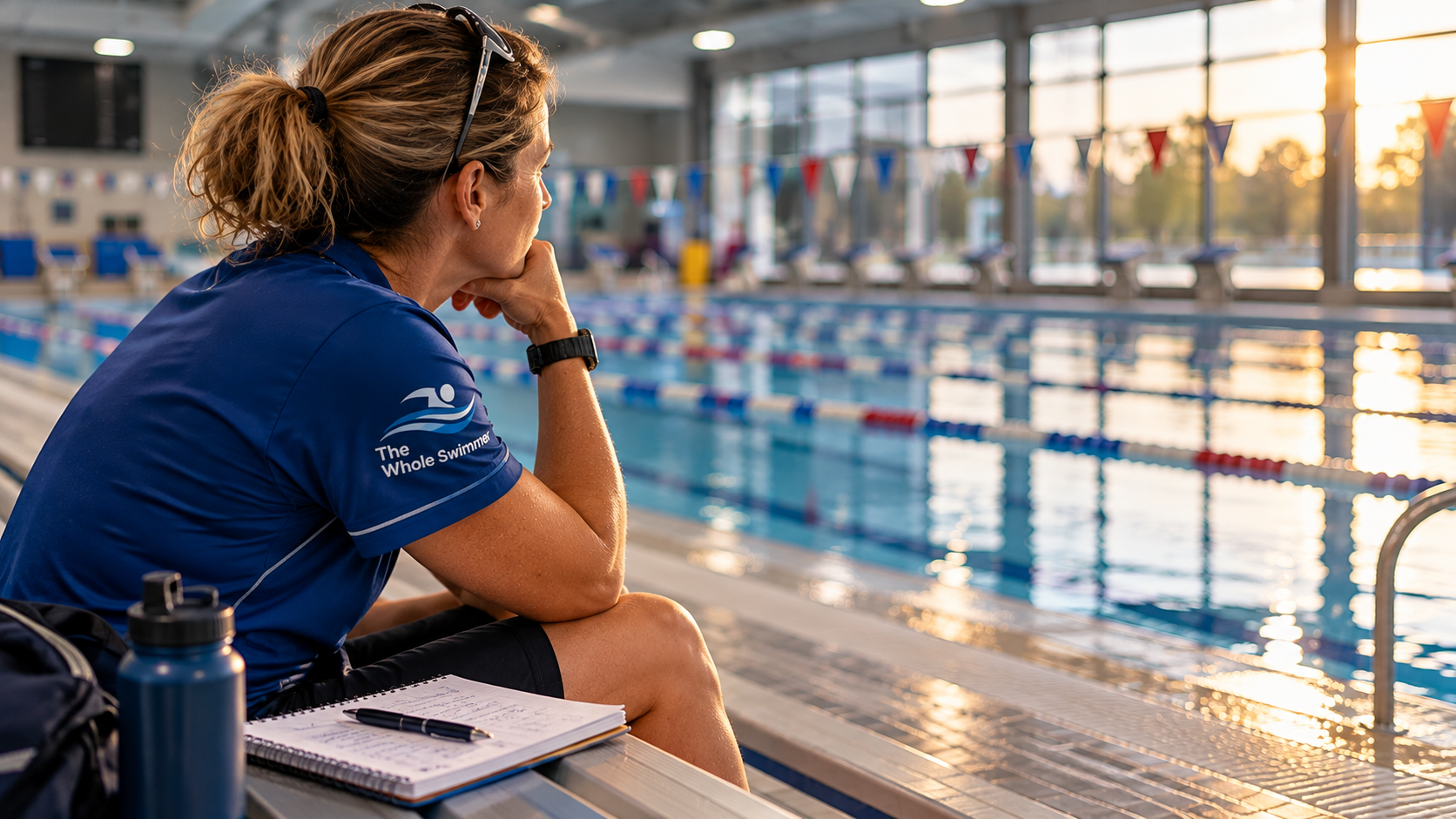
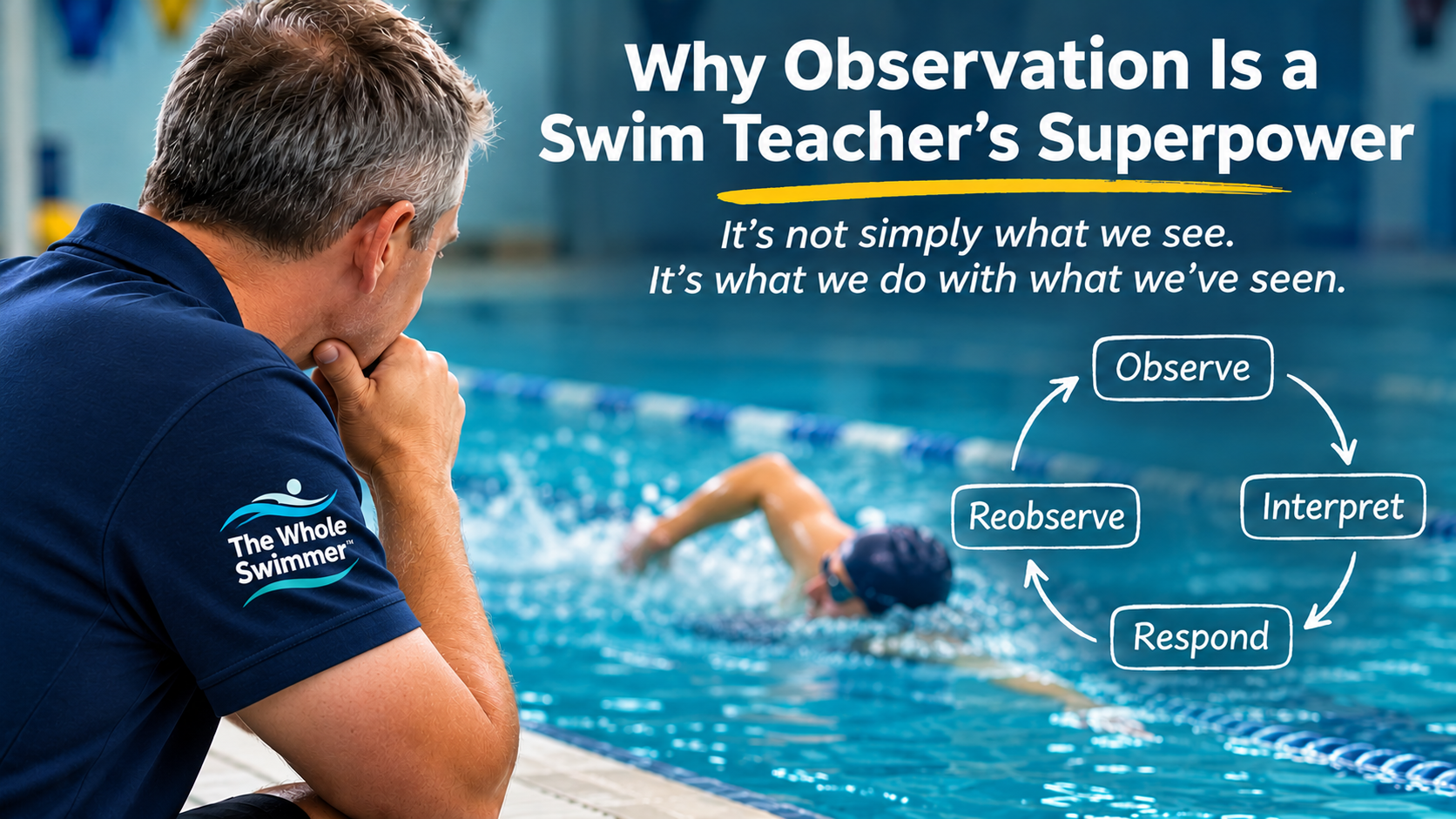
It might happen during a conversation with a colleague, while preparing the next lesson or simply thinking back over something that happened on poolside.
And reflection isn't only about mistakes.
Sometimes the most useful question is why something worked particularly well.
But reflection shouldn't stop simply because a lesson has gone well. A successful outcome doesn't necessarily mean every part of our teaching was effective.
Sometimes it's worth asking whether the swimmer succeeded because of our approach, despite it, or through something we hadn't even considered.
The development of our teenage programme has reminded me that reflection can continue long after a lesson has finished. What initially appeared to be a question about certificates and presentation has developed into a much wider consideration of how we understand and teach teenagers.
That is part of continuing to learn as a teacher.
The Person Before the Swimmer
Swimming teachers need technical knowledge, an understanding of progression and the ability to teach skills safely.
None of that changes.
But perhaps we should be equally interested in the person who is trying to learn those skills.
What do they already understand? What experiences might help them? What assumptions are we making? And are we prepared to change our approach when it isn't working?
None of this is intended to suggest there is one correct way to teach swimming, or that changing our approach will always produce the outcome we hope for.
What works for one swimmer may not work for another, and something that works particularly well today may need reconsidering tomorrow.
The aim isn't to find a perfect teaching method. It's to remain willing to question the methods we use, understand why they might work and recognise when something different is needed.
We won't always get the starting point right.
We won't always know what lies behind a learner's hesitation or difficulty.
And we certainly won't have all the answers.
But we can remain curious, observant and willing to reflect.
Because sometimes the most important change in a swimming lesson isn't made by the swimmer.
It's made by the teacher.
Explore Topics
Written by
Michael D. Jones
Swim teacher, educator and writer exploring swimming, learning and teaching beyond the stroke.